22 Sep 2026 — "Heritage cities welcome innovation" captures what worked, what proved challenging and what other cities can learn from EU-funded POCITYF's seven-year experience.
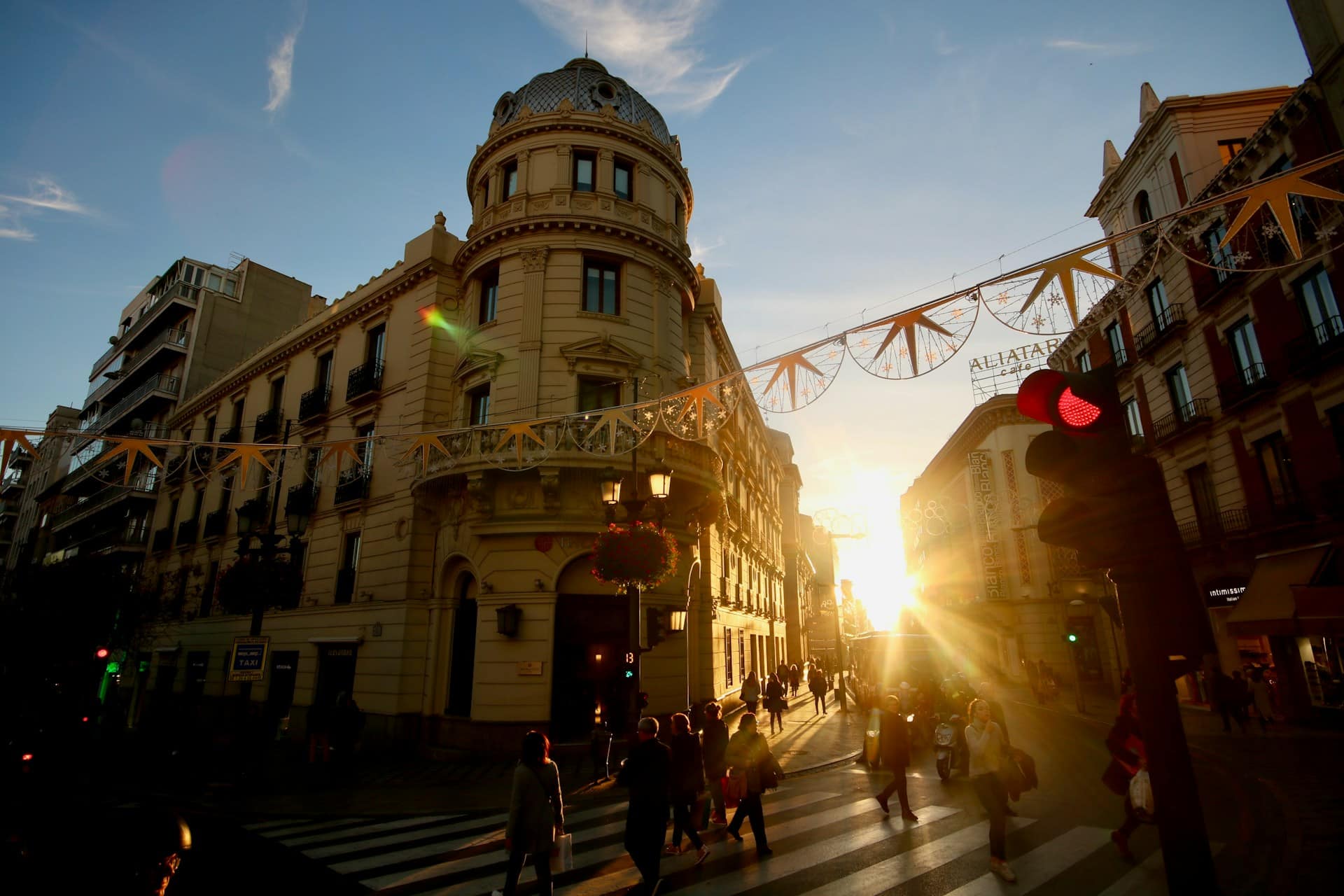
On the roof of Évora‘s City Hall, inside a UNESCO World Heritage site, roof tiles that double as solar generators produce electricity while matching the look of ordinary roofing. In Alkmaar, around 600 kW of waste heat from the De Meent ice rink’s refrigeration plant is recovered and reused through heat pumps and thermal storage. In Granada, protected buildings could not host rooftop solar, so the city’s replication plan shifted generation to unrestricted sites and proposed sharing the energy with them.
Examples and lessons like these are documented in Heritage cities welcome innovation, the Best Practice Book produced by Fondazione ICONS and published today by the Horizon 2020 project POCITYF, launched in 2019 to show how cities with protected cultural heritage can lead the energy transition.
The final publication shows how the two Lighthouse Cities, Évora and Alkmaar, demonstrated an integrated portfolio of solutions in real buildings, districts and communities. The six Fellow Cities — Bari, Celje, Granada, Hvidovre, Ioannina and Újpest — worked with those experiences to design their own transition pathways and produce structured replication plans.
The book also presents ten integrated solution packages emerging from the demonstrations, six in Évora and four in Alkmaar, showing how individual technologies can work together as part of a broader system. Alongside them, highlighted practices carry either a market-ready or actionable legacy label to identify if the solutions are ready for wider market uptake or if they capture valuable implementation experience – and significant challenges – from the demonstrations. Each entry sets out what was implemented, its impact, lessons from the experience and who needs to be involved for a successful replication.
Taken together, these cases point to a broader message: technology alone rarely determines whether an energy transition strategy succeeds. What matters is how each solution interacts with the context in which it is introduced and which pathway is chosen to move it from concept to practice. The book closes with seven transferable design principles distilled from these recurring conditions and constraints, offering a concise takeaway from POCITYF’s experience.
The book is freely available on the project website and on Zenodo, while printed copies will be distributed at POCITYF’s closing event, Historic urban centres driving climate neutrality: POCITYF lessons and pathways, in Évora on 29 and 30 September 2026.
Download the digital copy here: https://doi.org/10.5281/zenodo.22828224
Photo credit Jorge Fernández Salas from Unsplash
